Kenya has set an ambitious goal: 100% renewable energy by 2030. This target, while challenging, is achievable with the right mix of technologies, policies, and investments. Let's explore what this means for Kenya's energy future.
Current Energy Mix
Renewable Energy Sources
- Geothermal: 45% of installed capacity
- Hydroelectric: 35% of installed capacity
- Wind: 15% of installed capacity
- Solar: 5% of installed capacity
The Solar Opportunity
Solar energy represents the largest untapped renewable resource in Kenya, with potential to generate over 15,000 MW of clean electricity.
Challenges and Solutions
1. Grid Infrastructure
Challenge: Limited transmission capacity in some regions Solution: Distributed generation and microgrids
2. Energy Storage
Challenge: Intermittent nature of renewable energy Solution: Battery storage systems and pumped hydro
3. Investment Requirements
Challenge: High upfront costs Solution: Innovative financing models and public-private partnerships
Solar's Role in the Transition
Utility-Scale Solar
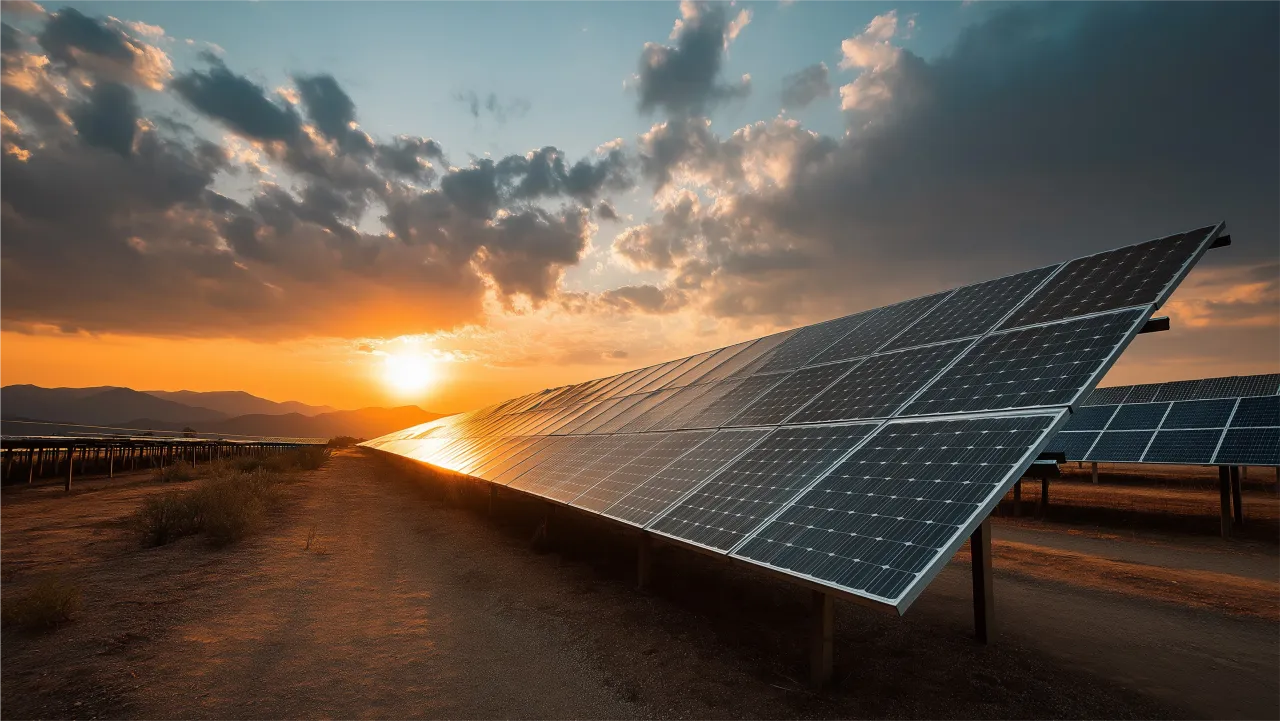
Large solar farms can provide bulk electricity to the grid, reducing reliance on fossil fuels.
Distributed Generation
Rooftop and commercial solar installations can reduce grid demand and improve reliability.
Rural Electrification
Solar microgrids can bring electricity to underserved rural communities.
Univergy's Contribution
We're committed to supporting Kenya's renewable energy transition through:
Technology Innovation
- Advanced solar technologies
- Energy storage solutions
- Smart grid integration
Project Development
- Utility-scale solar farms
- Commercial installations
- Rural microgrids
Capacity Building
- Technical training
- Knowledge transfer
- Local partnerships
The Road to 2030
Achieving 100% renewable energy by 2030 requires:
- Continued policy support
- Increased investment
- Technology innovation
- Public awareness and participation
Univergy is proud to be part of this transformative journey, working with partners across Kenya to build a sustainable energy future.